


What is a Payment Bank License?
A Payment Bank License is a regulatory authorization that allows a financial institution to operate as a specialized bank offering essential banking and payment services. Unlike traditional commercial banks, payment banks operate with a limited scope, focusing primarily on accepting small deposits, processing digital payments, offering remittances, and issuing debit cards. They are designed to promote financial inclusion, especially among underbanked and underserved communities that require fast, affordable, and accessible banking solutions.
Payment banks cannot issue loans or credit cards, which significantly reduces their exposure to credit risk. However, they play a crucial role in India’s digital financial ecosystem by supporting secure transactions, enabling mobile banking, and empowering customers with easy access to funds. Payment banks are ideal for businesses looking to step into the financial services sector without carrying out the heavy responsibilities of traditional banking operations.

In today’s rapidly evolving digital economy, obtaining a Payment Bank License has become a strategic move for companies seeking to deliver innovative financial solutions. Whether you want to offer payment services, digital wallets, or API-based financial integrations, a Payment Bank License gives your business the credibility and regulatory backing it needs to operate smoothly. At Helios Global, we assist businesses in navigating the complexities of the licensing process and help you establish a compliant, scalable, and sustainable payment banking model.
In India, where digital transactions are growing rapidly, getting a Payment Bank License has become a smart move for companies wanting to provide secure, fast, and user-friendly financial solutions. Whether it is helping customers with savings accounts, digital transfers, or easy bill payments, payment banks play a big role in expanding financial access.
This is why many businesses—from startups to established companies—are now exploring the option of obtaining a Payment Bank License. It helps them serve millions of customers who prefer online banking and digital payments over traditional methods.
Importance of a Payment Bank License in Today’s Digital Era
In today’s fast-moving digital world, the way people handle money has changed completely. Customers now rely more on online transfers, UPI payments, mobile wallets, and digital banking instead of visiting physical branches. This shift has created a huge demand for banking models that are fast, convenient, and available at any time. A Payment Bank License becomes extremely important in this environment because it allows businesses to offer these essential digital financial services in a secure and regulated manner.
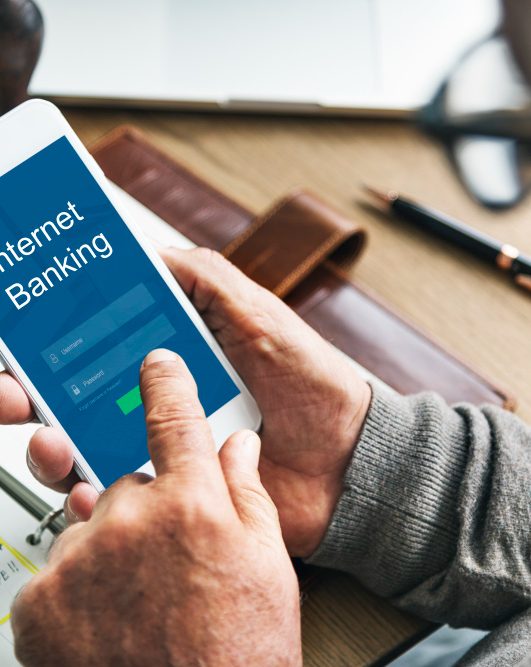
A Payment Bank License gives companies the authority to operate as a trusted financial institution, making it easier for them to serve the modern customer. With this license, businesses can offer services such as small deposits, UPI transactions, digital fund transfers, mobile banking, debit cards, and domestic remittances. These services are no longer optional—they are necessary for both individuals and businesses to manage their daily transactions smoothly. Without regulated payment institutions, the digital financial ecosystem would lack structure, trust, and safety.
Another major reason why a Payment Bank License is so important today is financial inclusion. Even though India is advancing digitally, a large part of the population in rural and semi-urban areas still struggles to access simple banking services. Payment banks bridge this gap by making banking available through mobile phones, local merchants, and digital platforms. They help small shopkeepers, migrant workers, farmers, gig workers, and students manage their money without needing traditional bank branches. This contributes to a more inclusive financial system where banking reaches everyone, not just urban populations.
The license also helps build trust and security in digital transactions. Since payment banks must follow strict rules and security measures set by regulatory authorities, customers feel confident that their money and personal data are safe. This is especially important at a time when online fraud, scams, and cybercrime are increasing. A regulated payment bank provides stable, transparent, and reliable financial services that protect users from such risks.
From a business perspective, having a Payment Bank License opens opportunities in the booming fintech industry. Companies can innovate, collaborate with other digital platforms, and offer modern financial solutions without entering the high-risk lending market. It enhances their credibility and allows them to grow with the expanding digital payments landscape.
Overall, in this digital era, a Payment Bank License is not just a formality—it is a gateway to participating in the future of banking and delivering essential financial services to millions of people across India.
Scope of Payment Bank License
Obtaining a Payment Bank License opens multiple operational opportunities for businesses looking to enter the financial services industry without taking lending risks. This license allows companies to offer essential banking services such as digital payments, deposits, remittances, and debit cards while building a strong, technology-driven financial platform that serves diverse customer needs.

These scopes include:
Accepting Deposits
Payment banks can accept deposits up to the limit specified by the regulator (currently ₹2 lakh per customer). These deposits can be maintained in:
- Savings accounts
- Current accounts
- Small balance accounts
This facility helps businesses attract a wide range of customers, including individuals, gig workers, small vendors, and rural populations who require secure deposit options.
Digital Transaction Facilitation
Payment banks specialize in digital payments. They can provide:
- Mobile banking
- UPI transactions
- Internet banking
- QR-code payments
- Wallet-to-wallet transfers
This allows businesses to operate as digital-first financial service providers, meeting the rising demand for online payments.
Issuing Debit Cards
Payment banks can issue:
- Virtual debit cards
- Physical debit cards
These are linked to customer accounts and can be used for online transactions, ATM withdrawals, and merchant payments.
Remittance Services
Payment banks are allowed to facilitate:
- Domestic money transfers
- Cross-border remittances (based on RBI guidelines)
This is especially beneficial for migrant workers and small businesses involved in frequent fund transfers.
Business Partnerships
Payment banks can collaborate with:
- Telecom companies
- Retail chains
- E-commerce platforms
- Microfinance organizations
- API service providers
Such partnerships expand their services and enhance customer convenience.
Key Features of a Payment Bank License
Limited but Essential Banking Services
Payment banks offer key services such as savings accounts, payment processing, micro-insurance (via partnerships), and remittances without entering the high-risk lending segment.

Digital-First Banking Approach
These banks operate primarily through digital channels, reducing operational costs and making banking accessible to customers across India, including remote rural areas.
High Regulatory Compliance
Payment banks must follow strict compliance norms set by the Reserve Bank of India (RBI). This ensures:
- Transparency
- Customer data protection
- Transaction safety
- Operational accountability
Regulatory compliance enhances trust among customers and investors.
Partnership Opportunities
Since payment banks cannot lend, they depend heavily on innovative partnerships to widen their service offerings. These partnerships may include:
- Insurance providers
- Fintech developers
- Merchant networks
- Retail businesses
Such collaborations help create diverse revenue streams.
Benefits of Obtaining a Payment Bank License
1. Financial Inclusion
Payment banks help extend banking services to people who are traditionally excluded from the financial system. This includes:
- Rural populations
- Small traders
- Daily wage workers
- Migrant laborers
- Students
- Low-income households
Businesses with a Payment Bank License can successfully penetrate these markets.

2. Multiple Revenue Streams
Even without lending, payment banks can earn income through:
- Transaction fees
- Card issuance charges
- Service fees
- Commissions through partnerships
- Wallet services
- Remittance charges
This creates a strong revenue model with minimal credit risk.
3. Competitive Digital Advantage
With fintech competition increasing, having a payment bank license positions your business as a trusted and regulated provider of digital financial services. This enhances your brand’s visibility and competitiveness.
4. Improved Customer Loyalty
Payment banks can offer:
- Fast transactions
- Low fees
- Secure banking
- User-friendly digital interfaces
These features help build long-term customer relationships.
5. Technological Innovation
Payment banks rely heavily on technology and innovation. With a license, businesses can integrate:
- APIs
- AI-based verification
- Real-time payments
- Secure KYC systems
- Mobile banking apps
This helps improve efficiency, customer experience, and scalability.
Why Choose Us?
Applying for and securing a Payment Bank License involves detailed documentation, regulatory compliance, audits, and multiple approvals. Helios Global simplifies this process with expert guidance.
Expertise and Industry Knowledge
Our team consists of seasoned professionals with deep expertise in:
- RBI regulations
- Banking frameworks
- Payment systems
- Fintech compliance
We stay updated with the latest regulatory changes, ensuring your application aligns perfectly with official requirements.

Tailored and Business-Focused Solutions
Every business has unique goals. We provide:
- Customized financial models
- Strategic licensing guidance
- Compliance roadmaps
- Operational setup assistance
Our approach helps you build a payment bank that is sustainable, customer-focused, and future-ready.
Comprehensive End-to-End Support
We assist you throughout the process, including:
- Eligibility assessment
- Documentation preparation
- Application drafting
- Policy formation
- KYC & AML compliance planning
- RBI audit preparation
- Post-licensing compliance support
We ensure your business meets all required standards at every step.
Proven Track Record
Helios Global has successfully helped multiple businesses secure Payment Bank Licenses and establish their digital banking infrastructure. Our experience allows us to:
- Reduce application errors
- Improve approval chances
- Speed up the licensing process
- Provide actionable insights
Our Process for Helping You Obtain a Payment Bank License
Step 1 – Initial Consultation
We understand your business goals and determine eligibility.
Step 2 – Documentation & Compliance Support
We prepare:
- Business plans
- Financial models
- Governance frameworks
- Risk management policies
Step 3 – Application Filing
We draft and submit your application to the RBI professionally and accurately.
Step 4 – Regulatory Coordination
We handle queries, clarifications, and compliance checks.
Step 5 – Post-Licensing Assistance
We help you build operational structures such as:
- KYC systems
- Digital banking interfaces
- IT security frameworks
- Reporting systems
This ensures a smooth launch of your payment bank.
A Payment Bank License is much more than just regulatory approval—it is a gateway for businesses to become part of India’s fast-growing digital financial revolution. As the world continues to shift toward digital payments and online banking, payment banks stand at the center of this transformation. They make financial services simpler, faster, and more accessible for millions of people who depend on mobile banking for day-to-day transactions. Whether it is sending money home, paying bills, or receiving salary, payment banks provide a safe and convenient platform for customers from all walks of life.
By obtaining a Payment Bank License, your business gets the opportunity to contribute to a more inclusive and digitally empowered financial ecosystem. You can serve customers who may not have access to traditional banks—especially individuals in rural areas, small vendors, gig workers, students, and migrant laborers. This helps bridge the gap between technology and financial accessibility, ensuring that modern banking is available to people everywhere, not just in big cities. It also allows your company to build deeper trust, as customers prefer platforms that operate under strict regulatory guidelines and offer secure, transparent services.
For businesses looking to enter or expand in the fintech industry, a Payment Bank License provides a strong foundation for long-term growth. With this license, you can deliver digital banking solutions without engaging in high-risk lending activities. You also get the opportunity to innovate—by offering smart payment features, digital accounts, easy remittances, and customer-friendly mobile apps. Combined with the ability to collaborate with other companies and service providers, this creates multiple revenue streams and positions your business as a modern, reliable, and customer-first financial service provider.
At Helios Global, we understand that the journey to obtaining a Payment Bank License can feel complex and overwhelming. That’s why we offer complete support—from planning and documentation to application filing, regulatory coordination, and post-license setup. Our goal is to make the process smooth, compliant, and stress-free so you can focus on building and expanding your digital banking operations with confidence.
As digital finance continues to grow at an unprecedented pace, this is the right time to take action.
A Payment Bank License gives your business the credibility, capability, and competitive advantage needed to thrive in the future of banking.